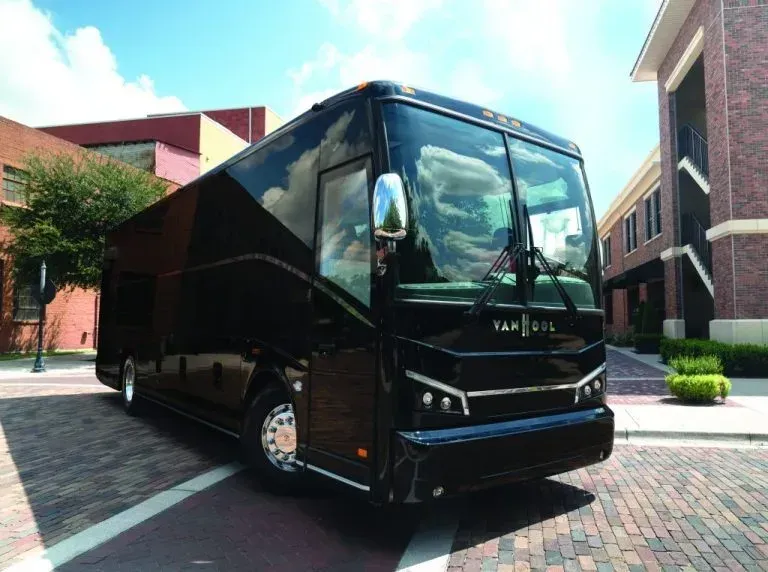
Arranging transportation for a large group can quickly grow into a complex assignment when multiple schedules, pickup logistics, and travel expectations come into play. Whether the occasion involves corporate gatherings, family celebrations, group outings, or special events, ensuring everyone arrives together and on time requires thoughtful planning. A properly planned transportation approach helps minimize confusion, decrease delays, and provide a more enjoyable experience for all participants. By recognizing the essential aspects of group transportation management, organizers can develop a smooth travel experience from start to finish.
When sizeable groups travel collectively, transportation serves a purpose beyond merely moving passengers between destinations. It contributes meaningfully to the success of the overall experience. Thoughtful planning helps support schedules, facilitate communication among passengers, and promote a smoother journey. At A1 Quality Express Limousine, we understand the importance of creating organized transportation solutions that help groups travel with confidence and convenience.
Prepare Transportation Arrangements in Advance
Successful group transportation begins with early preparation. Waiting until the last minute can limit available options and make it more difficult to accommodate the specific needs of the group. Organizers should first establish attendance numbers, travel dates, projected departure times, and destination details. Early information gathering lays the groundwork for transportation arrangements that complement the event timeline.
Proactive planning creates time to address concerns before they develop into larger obstacles. Various factors, including traffic patterns, pickup arrangements, accessibility requirements, and event schedules, may influence transportation decisions. Addressing these factors in advance helps organizers establish a transportation plan that supports smooth movement. Extensive preparation typically helps create smoother transportation experiences and minimizes unexpected challenges.
Assess the Number and Needs of Participants
A critical transportation planning task hourly limo rental is evaluating the number of participants and their specific requirements. Accurate passenger counts help ensure the appropriate vehicles are selected and prevent overcrowding or underutilized transportation resources. Organizers should determine attendance figures in advance and continue refining them as plans develop.
Apart from determining group size, attention should be given to the unique needs of participants. Different passengers may require additional baggage capacity, accessibility accommodations, or other forms of assistance. Considering these factors allows transportation planning to address specific passenger needs more effectively. Taking the time to gather comprehensive information helps create a more comfortable and efficient experience for all passengers.
Create a Detailed Transportation Schedule
A precise transportation schedule provides direction for the entire group. Planners should specify departure schedules, pickup points, travel durations, arrival goals, and any scheduled stops. A precise itinerary reduces ambiguity and helps every participant stay informed about their responsibilities. Clarity and consistency are particularly important when handling larger groups with many participants.
Strong communication is fundamental in keeping schedules functional and accurate. Each participant should be informed of transportation details ahead of time. Sharing travel details through various platforms helps keep everyone aligned. When expectations are clearly communicated, transportation processes become smoother and more efficient.
Create Unified Pickup and Drop-Off Locations
Managing multiple pickup locations can create unnecessary complexity for large-group transportation. Central pickup and drop-off points should be used whenever they improve convenience for participants. Centralizing locations helps speed up boarding and minimizes delays caused by frequent stops. It simplifies communication processes and boosts overall coordination effectiveness.
Using centralized locations makes it easier to verify all passengers before leaving. Leaders can check attendance, share important updates, and respond to questions prior to travel. This method supports preparedness and keeps transportation operations on track. Defined meeting locations greatly improve coordination throughout the journey.
Prioritize Clear Communication Throughout the Process
Strong communication is a critical factor in effective coordination of group travel. Group members should receive regular updates regarding schedules, pickup instructions, travel expectations, and any changes that may occur. Clear and correct information prevents misunderstandings and supports preparation. Clear communication contributes to smoother operations and happier passengers.
Coordinators should set up consistent communication methods for all updates. Communication tools such as messaging systems and emails ensure timely information sharing. Throughout any effective transportation plan, communication acts as the central link keeping everyone aligned. Consistent updates help maintain confidence and minimize disruptions throughout the journey.
Be Ready for Unplanned Events
Even the most organized transportation plans can experience surprises. Weather conditions, traffic congestion, schedule adjustments, and participant delays may require quick decision-making. Incorporating adaptability helps ensure smooth responses to unexpected events. Good preparation improves resilience during unexpected changes.
Emergency planning should involve alternate communication methods, route options, and responsible contacts. Having clear processes reduces pressure and improves response organization. Early planning supports continued efficiency despite modifications.
Emphasize Comfort and Convenience for Passengers
Comfort is a major factor in the overall travel experience. Groups traveling together for long periods require strong focus on comfort. Comfortable seating, organized boarding procedures, and a well-managed travel environment help create a positive atmosphere throughout the journey. Passenger comfort increases enjoyment and readiness upon arrival.
Ease of travel contributes significantly to successful coordination. Easy boarding systems, clear directions, and efficient scheduling reduce complications. Well-structured transportation lets passengers enjoy the occasion without concern. A well-organized journey enhances the success of the entire event.
Work with Experienced Transportation Professionals
Managing large-group transportation requires coordination across many factors, making expert support beneficial. Expert providers are capable of handling schedules and coordinating group movement effectively. Professional experience helps ensure structured and dependable transportation planning.
Professional transportation teams often bring valuable insights that improve overall coordination. Their familiarity with group travel allows them to anticipate challenges and recommend practical solutions. With professional help, organizers can focus on the event while logistics are managed with precision.
Integrate Group Transportation Into the Event Experience
Transport should be seen as an extension of the overall experience, not only a means of movement. Coordinated travel allows guests to start experiencing the event early. Well-managed transport enhances the event atmosphere and experience.
At A1 Quality Express Limousine, we believe effective group transportation starts with careful planning, clear communication, and dedication to passenger satisfaction. Organizing large-group transportation does not need to be overwhelming when proper strategies are applied. By emphasizing structure, preparation, and comfort, groups can experience smooth travel that enhances any event. We are proud to provide seamless travel experiences that give passengers confidence and ease.